METHODOLOGICAL GUIDE TO SCOPING DECARBONISATION PATHWAY STUDIES FOR LOW-CARBON INDUSTRIAL ZONES (ZIBAC)
Guide
Mis en ligne le : 10/11/2026
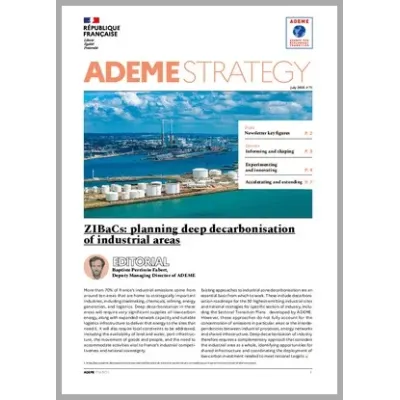
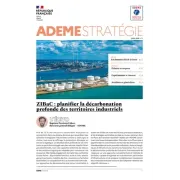
ZIBaCs: planning deep decarbonisation of industrial areas
More than 70% of France’s industrial emissions come from around ten areas that are home to strategically important industries, including steelmaking, chemicals, refining, energy generation, and logistics. Deep decarbonisation in these areas will require very significant supplies of low-carbon energy, along with expanded network capacity and suitable logistics infrastructure to deliver that energy to the sites that need it. It will also require local constraints to be addressed, including the availability of land and water, port infrastructure, the movement of goods and people, and the need to accommodate activities vital to France’s industrial competitiveness and national sovereignty.
Existing approaches to industrial zone decarbonisation are an essential basis from which to work. These include decarbonisation roadmaps for the 50 highest-emitting industrial sites and national strategies for specific sectors of industry, including the Sectoral Transition Plans[1] developed by ADEME. However, these approaches do not fully account for the concentration of emissions in particular areas or the interdependencies between industrial processes, energy networks and shared infrastructure. Deep decarbonisation of industry therefore requires a complementary approach that considers the industrial area as a whole, identifying opportunities for shared infrastructure and coordinating the deployment of low-carbon investment needed to meet national targets.
Documents associés
Guide
Mis en ligne le : 10/11/2026
ADEME Strategy No.75 - July 2026
Découvrez aussi
Mis en ligne le : 31/10/2025
Mis en ligne le : 30/07/2026
Mis en ligne le : 30/06/2026
Mis en ligne le : 12/09/2025
Mis en ligne le : 30/06/2026
Mis en ligne le : 30/03/2026
Mis en ligne le : 30/03/2026